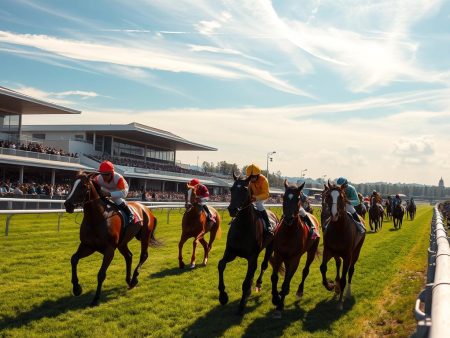

Horse racing in 2025 is all about making smart choices. Choosing the right jockey and trainer is key. It affects race results and a horse’s career.
It’s important to know how jockeys and trainers work together. Their skills and how they get along can make a big difference. This guide will help you find the best jockey and trainer for your goals.
Key Takeaways
- Making informed choices in jockey and trainer selection is crucial.
- Understanding the dynamics between jockeys and trainers enhances team effectiveness.
- Strong relationships can lead to better race outcomes.
- A comprehensive approach is necessary for long-term success in horse racing.
- Consider a variety of factors, including experience and past performance.
Understanding the Role of Jockeys in Horse Racing
Jockeys are very important in horse racing. They connect the horse to the track. They make big decisions that can change the race’s outcome.
Jockeys have big jobs. They control the horse’s speed and navigate the track. They also react to the horse’s behavior during the race.
Jockeys work as independent contractors. They are hired for each race. They often use agents to find rides, showing their skills in many races.
Good communication between trainers and jockeys is key. It helps in making better strategies. This leads to better performance on race day.
Horse racing is dynamic. Jockeys can change mounts due to injuries or training changes. This shows how important being adaptable is for them.
They work with trainers to adjust their approach. This ensures the best race conditions for each horse.
Why Choosing the Right Trainer is Crucial
Choosing a horse trainer is key to success on the racetrack. They handle the horse’s preparation, like conditioning and health. A top trainer like Bob Baffert can sway a jockey’s choice.
Trainers use special strategies to boost a horse’s strengths and fix its weaknesses. This careful planning can lead to more wins.
The role of a trainer goes beyond just physical training. They also build strong connections in the racing world. These connections help get the best jockeys for the job.
This teamwork is crucial for success. It shows how important trainers are in racing. They are vital for a winning team.
| Trainer | Reputation | Recent Wins | Jockey Connections |
|---|---|---|---|
| Bob Baffert | Highly respected | 5 | Strong |
| Chad Brown | Renowned | 4 | Very strong |
| Trainer C | Up-and-coming | 2 | Moderate |
Choosing the right trainer is essential. A good trainer lays the groundwork for success. They manage every part of the horse’s racing career with skill and care.
The Importance of Jockey-Training Team Compatibility
The connection between a jockey and a trainer is key to winning races. A good team works well together, sharing ideas and plans. They need to see things the same way and know how to work together.
When jockeys and trainers get along, they can change plans fast during a race. They know what the other is thinking, making their teamwork stronger. This helps them perform better together.
Trust is important for quick decisions. Jockeys can share their thoughts, and trainers can guide without doubt. This trust makes their teamwork better, leading to more wins.
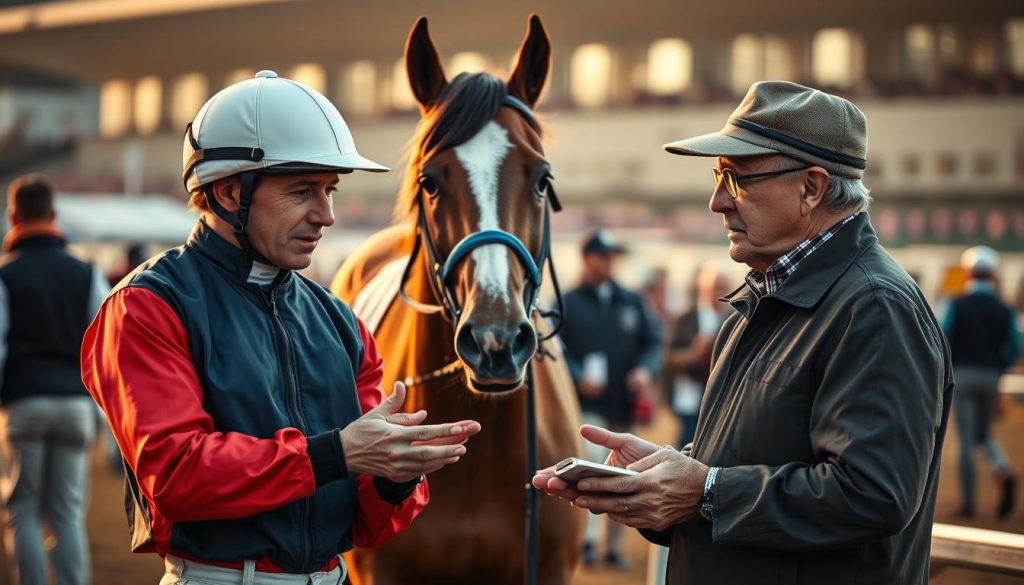
Building Relationships with Jockeys and Trainers
Strong jockey trainer relationships are key in horse racing. Owners, trainers, and jockeys gain a lot from these bonds. They help with teamwork and trust.
Having good relationships makes changes easier. It helps everyone work better together.
Building connections in racing means more than just working together. It’s about talking often and meeting up. This builds a strong base for success.
Knowing each other’s strengths helps everyone work together. This leads to better race results.
Trainers and jockeys do better when they work together. They can face challenges easier. This makes their plans work better under pressure.
Strong relationships help with changes in the team. They make sure everyone knows what to do. This makes everyone feel important and helps them do their best.
Key Skills to Look for in Jockeys
Choosing a jockey means knowing what skills they need. It’s important to check their experience in big races. This shows they can handle pressure well. Also, knowing what makes a good jockey helps us see their strengths.
Experience in Big Races
Jockeys with experience in big races have special skills. They know how to plan and react in high-pressure situations. Their experience helps them make quick decisions that can change the race.
Ability to Adapt to Different Horses
Being able to adapt is key for jockeys. Each horse is different, and a good jockey changes their style to match. This makes the horse and rider work better together, leading to better results.
| Skill | Description |
|---|---|
| Experience in Big Races | Demonstrated ability to handle pressure in crucial competitions. |
| Adaptability | Competence in adjusting riding style to suit different horses. |
| Communication | Effective interaction with trainers and horse owners. |
| Physical Fitness | Essential for stamina and control during races. |
Choosing Jockey Trainer: Factors to Consider
Choosing the right jockey and trainer is important. You need to think about many factors for selecting jockey trainer. Each one is key to a good racing experience.
Looking at past performances helps you see if they’re good. It’s important for making the right jockey trainer decision.
How well the jockey and trainer work together matters a lot. Knowing their strengths together helps. A good team works better together, aiming for the same goals.
Money and what you want to achieve also matter. Knowing your goals helps pick the right team. Also, think about the horse’s special needs.
Evaluating Race Performance and History
Looking at past races helps us make better choices about jockeys and trainers. We analyze the horse’s and jockey’s wins and losses. This way, we see their strengths and weaknesses.
Analyzing Recent Wins and Losses
Wins and losses tell us a lot about a horse and its rider. It’s key to track the jockey’s stats in different races. This shows not just how many they won, but the quality of those wins.
Looking at the race types, distances, and conditions is important. It helps us understand what works best for them.
Identifying Patterns in Performance
Spotting patterns in performance helps us understand jockeys and trainers better. Changes in their strategies can show new approaches. These changes might come from past results.
By looking at this data, we see which teams do well consistently. We also learn how they handle different race conditions.
| Race Type | Jockey Wins | Trainer Wins | Performance Pattern |
|---|---|---|---|
| Flat Racing | 15 | 20 | Best on Firm Turf |
| Steeplechase | 10 | 8 | Strong in Wet Conditions |
| Endurance Racing | 12 | 15 | Adaptable Strategies Used |
Finding and Securing the Right Jockeys
Finding the best jockeys for your horse racing needs is key. Knowing how to hire jockeys can make a big difference. Jockey agents help connect horses with riders.
Getting jockeys is more than just picking them. It’s also about timing. Top jockeys are often wanted by many, so talking to agents early is important. Building good relationships with agents can help you find skilled jockeys that fit your needs.
Being proactive is a good strategy. Talk to agents who work with great jockeys to learn about upcoming chances and trends. This way, you can be ready to hire the best before others do.
In short, understanding the jockey hiring process can lead to big wins. By looking for the best jockeys and building strong agent relationships, horse owners can succeed in racing.
Developing a Backup Plan for Jockey Selection
In horse racing, things don’t always go as planned. Jockeys might get hurt or have unexpected plans. It’s key to have backup plans for jockeys to stay ahead. A good plan helps trainers handle these issues smoothly.
Contingency planning means talking to many jockeys and their agents. This way, trainers can find good replacements fast. It’s important to have a list of alternative jockey options ready before the season starts. This helps avoid making hasty choices that might not work out.
To make things easier, trainers can try a few things:
- Keep good relationships with several jockeys for quick access to them.
- Keep the list of jockeys up to date, noting their recent wins.
- Choose jockeys who work well with different horses for more flexibility.

Having these steps ready helps trainers deal with unexpected problems. It also makes their racing plans stronger. Building a team of reliable jockeys is crucial for success in horse racing.
Conclusion
Choosing the right jockey and trainer is key in horse racing. It’s all about skill, getting along, and talking well. Owners need to understand the roles of jockeys and trainers.
They should also work on building strong relationships. This helps them make better choices and win more races.
Looking at performance data and knowing what each horse needs is important. It helps to see who is best for the job. Doing your homework and making smart choices is crucial.
Every race is different, and being ready can help a lot. A good backup plan for jockeys is also important. It keeps things flexible and ready for surprises.
In 2025, horse racing will keep changing. Being able to adapt and plan ahead will help achieve success.